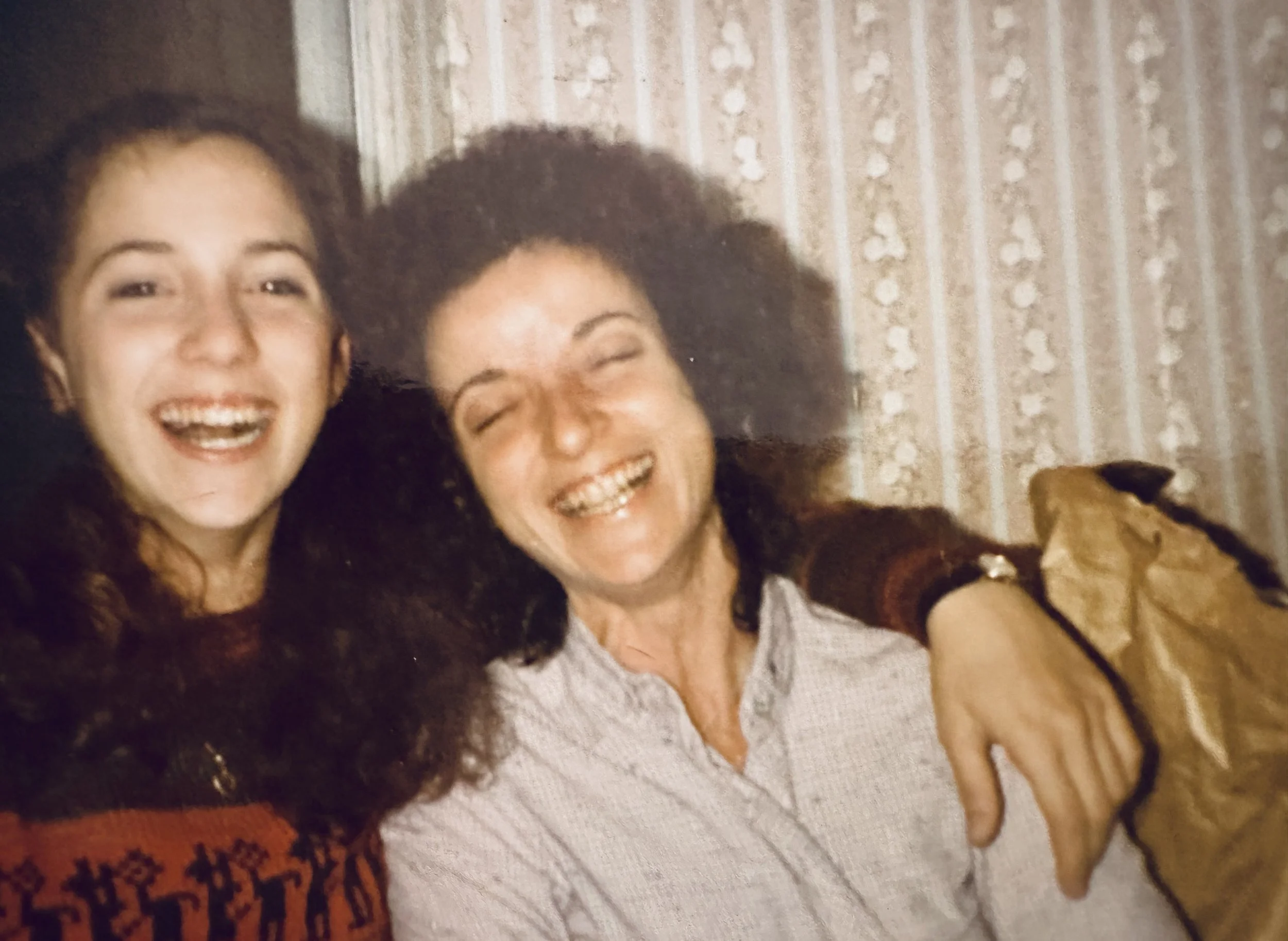
For the last four years, I’ve been working on a three-generation novel inspired by the lives of my grandmother, my mother and myself. Essie arrived fully-formed, bearing my grandmother’s defining experiences and strong personality. Essie’s granddaughter, Allison, was easy to find. Her emotional journey was similar to my own and sentences turned to paragraphs turned to chapters with visceral urgency.
But Flora.
I knew that writing Flora would be difficult. Telling Flora’s story meant telling a version of my mother’s, including the painful parts of my relationship with her. Draft after draft, I received the same feedback—Flora’s character paled in comparison to Essie’s and Allison’s. I knew I was avoiding something. So one day I sat down and on a blank page wrote:
I don’t want to write about my mother.
I waited. And then wrote some more. What resulted was a piece of nonfiction that felt raw and honest and terrifying.
I read it to my mother, unable to look at her as I did. My hands were sweating and my breath felt hard to find. When I finished, I found her eyes.
“Will you read that at my funeral?” she asked.
I exhaled and together we cried.
In the drafts of She Came By It Honestly that followed, Flora became more colorful, more complex, more alive. She’s neither villain nor heroine. She’s Flora—an imperfect woman who came to motherhood with the best and worst of what came before her. As do we all.
Today I Don’t Want to Write About My Mother was published in The Citron Review.
